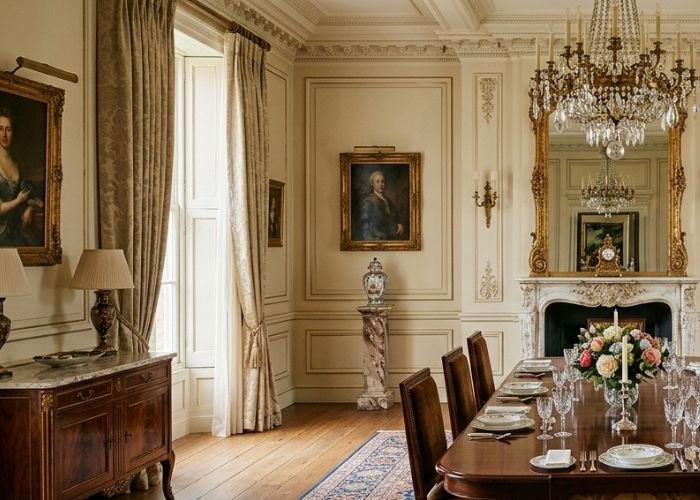
Bohemian (Boho) design is a free-spirited, eclectic style that celebrates individuality, creativity, and a relaxed, unconventional approach to decorating. Rather than following strict rules, it embraces a curated mix of colors, patterns, textures, and cultures — creating spaces that feel personal, artistic, and full of character.
History of Bohemian Design
The term "Bohemian" originally referred to artists, writers, and free-thinkers in 19th-century Europe who rejected conventional lifestyles in favor of creative, unconventional living. This spirit of nonconformity eventually influenced interior design, gaining major popularity during the 1960s and 70s alongside the hippie and counterculture movements, which embraced global influences, handmade crafts, and anti-establishment aesthetics. Over the decades, Bohemian design absorbed elements from Moroccan, Indian, African, and South American cultures, along with vintage and thrifted finds — evolving into a style that celebrates worldly eclecticism and personal storytelling rather than sticking to any single tradition.
Key characteristics of Bohemian interiors:
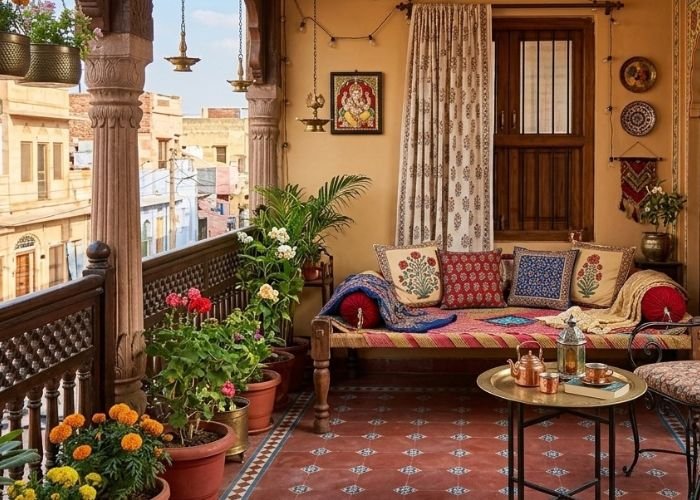
Rich, layered patterns — florals, tribal prints, and global-inspired textiles
Warm, earthy color palettes with vibrant accent colors
A mix of textures — macramé, rattan, woven baskets, and natural fibers
Eclectic furniture — vintage, thrifted, or handcrafted pieces mixed freely
Abundant plants and natural elements
Layered rugs, floor cushions, and low seating for a relaxed vibe
Global and cultural decor accents — from Moroccan lanterns to Indian textiles
A "curated chaos" look — busy, but intentional and personal